FREE US SHIPPING ON ORDERS $49.99


Tea is more than just a beverage. It’s a centuries-old tradition. It’s a source of comfort and a powerhouse of health benefits. Whether you’re a seasoned tea enthusiast or new to loose-leaf tea, knowing how to select, brew, and savor different varieties can transform your daily routine. This guide breaks down everything you need to know about premium tea. We’ll cover popular types like green and oolong tea, plus pro brewing tips to bring out the best flavors. Let’s dive in!

1. Exploring the Most Popular Premium Tea Varieties
Not all teas are created equal. Each type has unique flavors, processing methods, and health perks. This makes it easy to find one that suits your taste. Here are the top tea varieties to keep in your pantry:
1.1 Green Tea: Fresh & Antioxidant-Packed
Green tea is loved for its light, grassy flavor. It’s rich in catechins—antioxidants that support overall wellness. Unlike black tea, its leaves are minimally processed (steamed or pan-fried) to preserve nutrients.
Popular picks: Japanese Matcha (great for lattes, umami-rich), Chinese Longjing (sweet, nutty, sipped plain), and Sencha (crisp, everyday sipping).
Brewing tip: Use 160–180°F water, steep 1–2 minutes. Avoid boiling water—it makes green tea bitter.
1.2 Black Tea: Bold & Morning-Ready
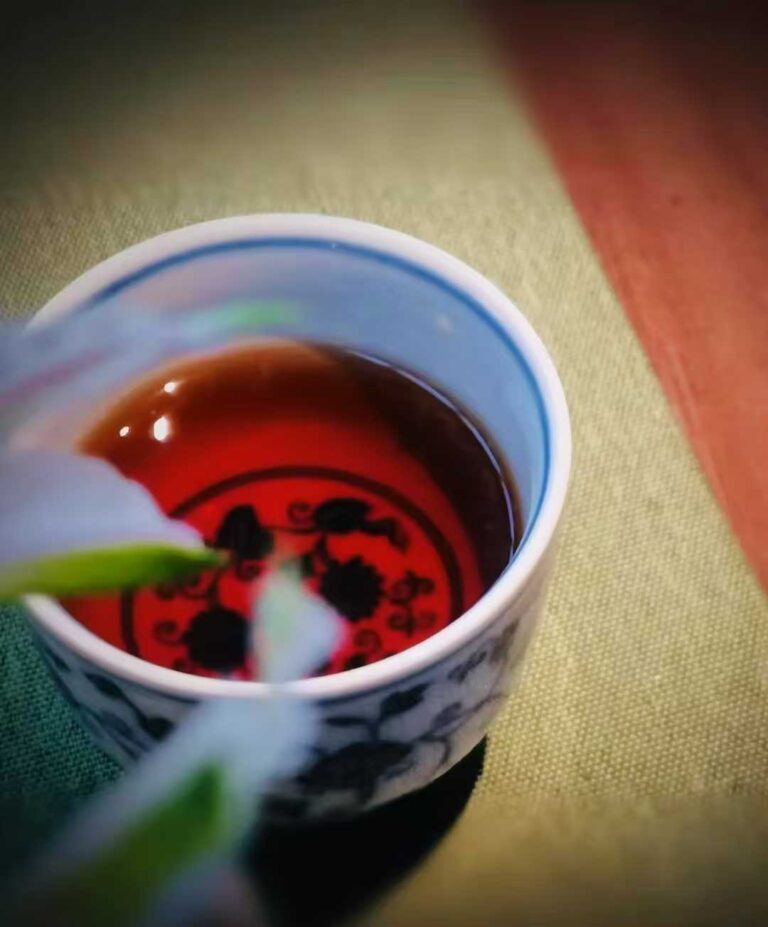
Black tea is fully oxidized, giving it deep amber color and robust flavor. It’s high in theaflavins (heart-healthy compounds) and has more caffeine than green tea—perfect for mornings.
Popular picks: Assam (malty, ideal for milk tea), Darjeeling (“Champagne of teas,” fruity, plain-sipped), and Earl Grey (citrusy, with bergamot oil).
Brewing tip: Boiling water works best. Steep 3–5 minutes, re-steep 2–3 times for mellow flavor.
1.3 Oolong Tea: Balanced Between Green & Black
Oolong is partially oxidized (10%–80%), so its flavor ranges from floral to toasty. It’s versatile—great for tea lovers who like experimenting.
Popular picks: Taiwanese High Mountain Oolong (floral, creamy), Chinese Da Hong Pao (toasty, earthy, luxury), and Tieguanyin (smooth, sweet, “7 infusions of fragrance”).
Brewing tip: Use 180–200°F water, steep 2–4 minutes. Re-steep 3–5 times to unlock layered flavors.
1.4 Herbal Teas: Caffeine-Free Comfort
Herbal teas (“tisanes”) aren’t true teas—they’re made from dried herbs, flowers, or fruits. No caffeine means they’re perfect for evenings or sensitive drinkers.
Popular picks: Chamomile (calming, apple-like, aids sleep), Peppermint (refreshing, eases digestion), and Hibiscus (tart, vitamin C-rich, hot or iced).
Brewing tip: Boil water, steep 5–7 minutes. Over-steeping rarely causes bitterness—re-steep once for milder taste.
2. Pro Tips for Brewing the Perfect Cup of Tea
Even the highest-quality tea can taste lackluster if brewed incorrectly. Follow these tips to unlock the full potential of your loose-leaf tea and create a memorable cup every time.
- Start with Fresh, Filtered Water: Tap water with strong chlorine or mineral flavors can ruin your tea. Filtered or spring water, on the other hand, allows the tea’s natural flavors to shine without any unwanted aftertastes.
- Control the Water Temperature: As we mentioned earlier, different teas require different temperatures. For example, green tea needs cooler water, while black tea thrives with boiling water. To make this easy, invest in a small kettle with a temperature control feature.
- Measure Your Tea for Consistency: A general rule is 1–2 teaspoons of loose-leaf tea per 8 ounces of water. Adjust based on your taste:
- More tea (2 teaspoons): For a stronger, more concentrated cup (great for black or oolong tea).
- Less tea (1 teaspoon): For a milder cup (ideal for green tea or herbal blends).
- Avoid Over-Steeping to Prevent Bitterness: Over-steeping is the #1 mistake new tea drinkers make. It makes tea release excess tannins. This creates a bitter, astringent taste. Use a timer to stick to these recommended steeping times:
- Green tea: 1–2 minutes
- Oolong tea: 2–4 minutes
- Black tea: 3–5 minutes
- Herbal tea: 5–7 minutes
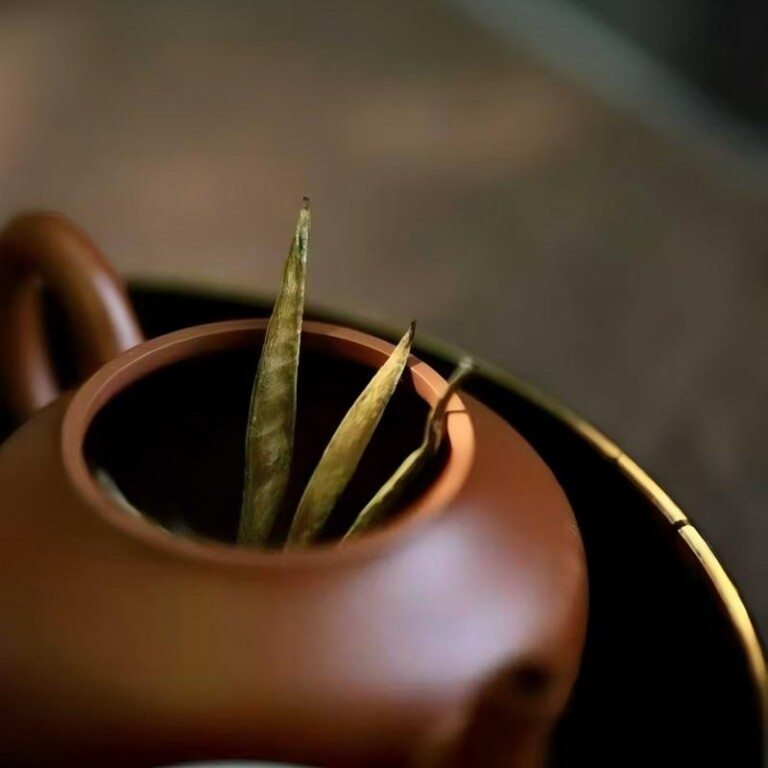
- Choose the Right Teaware for Your Tea: Porcelain or glass teapots are ideal for most teas, as they don’t absorb flavors. For oolong or pu-erh, though, a clay teapot (like Yixing clay) can enhance the tea’s aroma over time, adding an extra layer of depth to your experience.
3. The Health Benefits of Drinking Premium Tea Daily
Beyond its delicious taste, premium tea offers a range of health benefits backed by science. From antioxidant protection to improved focus, incorporating tea into your daily routine can support your overall wellness.
- Antioxidant Protection for Cell Health: Green tea, black tea, and oolong are all rich in antioxidants that fight free radicals in the body. These antioxidants help protect cells from damage and support long-term health.
- Tea Supports Heart Health: Studies suggest that regular tea consumption may help lower cholesterol levels and reduce the risk of heart disease. This makes tea a simple, enjoyable way to support cardiovascular wellness.
- Tea Promotes Calm Alertness with L-Theanine: Unlike coffee, which can cause jitters, tea contains L-theanine—an amino acid that works with caffeine to promote calm alertness. This combination helps you stay focused without feeling anxious.
- Tea Aids Digestive Health: Additionally, certain teas offer digestive support. For example, herbal teas like Peppermint and Ginger can soothe the stomach, while oolong and pu-erh may help reduce bloating and improve digestion.
Final Thoughts: Elevate Your Tea Routine Today
Whether you’re sipping a cup of green tea in the morning or unwinding with a herbal tisane at night, premium tea has the power to enhance your day. By choosing loose-leaf tea, mastering the art of brewing, and exploring different varieties, you’ll discover a world of flavor and wellness benefits that go beyond a simple beverage.
Ready to start your premium tea journey? Browse our collection of loose-leaf green tea, black tea, oolong tea, and herbal teas—each sourced from trusted tea gardens around the world. Let’s make every sip count!
What’s your favorite tea variety? Share in the comments below—we’d love to hear from you!