FREE US SHIPPING ON ORDERS $49.99



Yunnan Dianhong black tea, often simply called “Dianhong,” is a jewel of Chinese tea culture—renowned for its rich, honey-sweet flavor, golden liquor, and distinct mountain-grown character. Unlike other black teas like Assam or Darjeeling, Dianhong hails exclusively from China’s Yunnan Province, where high-altitude tea gardens and traditional processing methods give it an unparalleled taste. Whether you’re a black tea enthusiast or new to this variety, this guide will walk you through everything you need to know about Dianhong: its origin, flavor profiles, how to brew it perfectly, and the health benefits that make it a daily favorite. Let’s explore the world of Yunnan Dianhong together!
1. The Origin & Story of Yunnan Dianhong Black Tea
Yunnan Dianhong isn’t just a tea—it’s a product of centuries of tea-making tradition, shaped by Yunnan’s unique geography and climate. Understanding its roots helps you appreciate its distinctiveness even more.
Where Yunnan Dianhong Comes From
Dianhong is grown exclusively in Yunnan Province, located in southwest China. The region’s high altitudes (often 1,000–2,000 meters above sea level), fertile red soil, and mild, rainy climate create the perfect conditions for tea bushes.
Key Growing Regions for Premium Dianhong
Specifically, the best Dianhong comes from counties like Fengqing, Lincang, and Menghai—areas where tea gardens are nestled between mountains, receiving plenty of sunlight and mist. These environmental factors slow down the tea leaves’ growth, allowing them to accumulate more flavor compounds and nutrients.
A Brief History of Dianhong
While Yunnan has grown tea for over 1,000 years, Dianhong as we know it today was developed in the 1930s. At the time, Chinese tea makers sought to create a black tea that could compete with popular Indian and Sri Lankan varieties in international markets.
The Rise of Dianhong’s Global Fame
By adapting traditional processing methods to Yunnan’s unique tea leaves, they crafted Dianhong—a tea that quickly gained fame for its smoothness and sweetness. Today, Dianhong remains one of China’s most exported black teas, beloved by tea drinkers worldwide for its quality and character.
What Makes Dianhong Unique Among Black Teas
Most black teas are fully oxidized, but Dianhong’s uniqueness lies in its raw materials and processing.
Raw Materials: The Role of Silver-Tipped Buds
Unlike many black teas that use only tea leaves, high-grade Dianhong often includes young tea buds—these buds are covered in fine white down (called “silver tips”), which adds a delicate sweetness and golden hue to the liquor.
Processing: Controlled Oxidation for Sweetness
Additionally, Dianhong’s oxidation process is carefully controlled to preserve its natural honey and fruit notes, rather than developing the strong, malty flavors found in Assam. This makes it a more approachable black tea for those who prefer milder, sweeter tastes.
2. Flavor Profiles & Varieties of Yunnan Dianhong
Dianhong isn’t a one-note tea—its flavor varies based on factors like the tea garden’s altitude, the time of harvest, and whether it includes buds or just leaves. Below are the key flavor profiles and popular varieties to look for.
Typical Flavor Notes of Dianhong
A well-brewed cup of Dianhong offers a harmonious blend of sweet and savory notes.
Primary & Secondary Flavor Layers
On the first sip, you’ll notice prominent honey sweetness, often paired with hints of ripe fruits like apricot or peach. Some varieties also have subtle floral undertones (like jasmine or osmanthus) and a smooth, creamy mouthfeel.
Liquor Color: A Sign of Quality
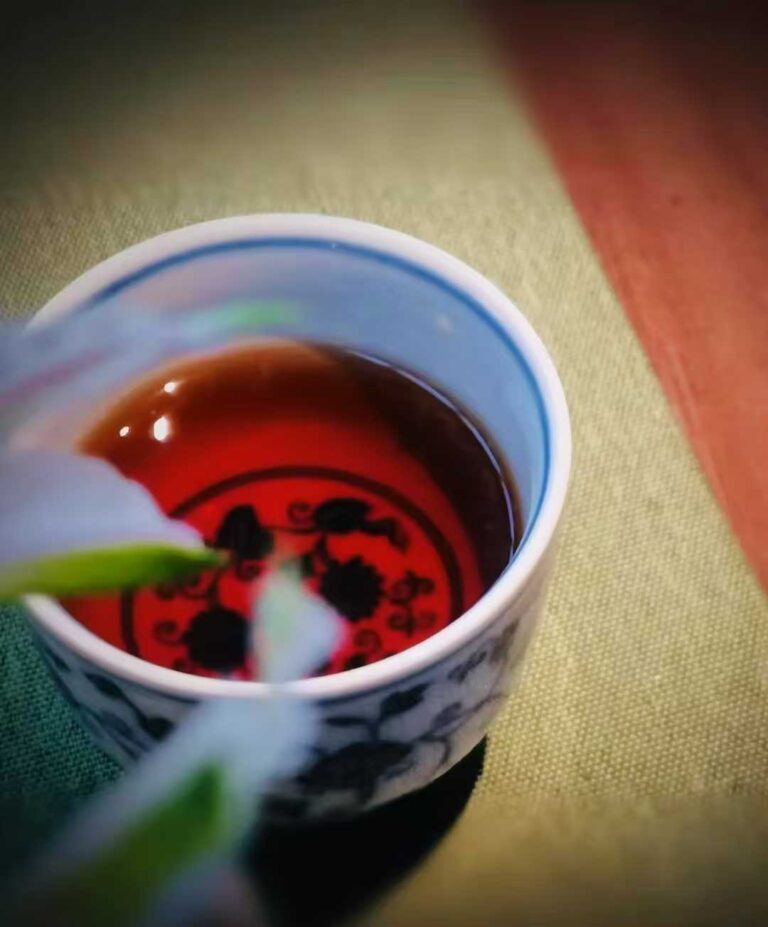
Unlike bitter black teas, Dianhong rarely has astringency—its finish is clean and lingering, with a slight caramel aftertaste. The liquor color is another telltale sign: high-grade Dianhong has a bright golden-orange hue, while standard varieties may be a deeper amber.
Popular Varieties of Yunnan Dianhong
Not all Dianhong is the same—here are the most common varieties you’ll encounter, each with its own charm:
Dianhong Golden Tip (Jin Ya): The Premium Choice
This is the highest-grade Dianhong, made exclusively from young tea buds covered in silver tips. It has an intense honey sweetness, light floral notes, and a pale golden liquor. Golden Tip is rare and often more expensive, making it a perfect choice for special occasions.
Dianhong Broken Black Tea (Zha Qi): Everyday Enjoyment
This variety uses broken leaves and buds, which release flavor quickly. It has a rich, fruity taste with a slightly stronger body than Golden Tip, making it ideal for blending with milk or honey.
Dianhong Fannings: Convenience vs. Quality
These are small, fine pieces of Dianhong, often used in tea bags. While they’re more convenient, they lack the complexity of loose-leaf Dianhong, as the broken pieces can’t retain as many flavor compounds.
How to Choose High-Quality Loose-Leaf Dianhong
When shopping for loose-leaf Dianhong, look for these signs of quality:
Check the Appearance
High-grade Dianhong should have a mix of dark brown leaves and silvery buds (the more buds, the better). Avoid teas that look dull or have too many stems.
Smell for Freshness
Dry Dianhong should smell sweet and fruity, with no musty or smoky odors. If it smells flat, it may be old or poorly stored.
Test the Liquor After Brewing
After brewing, the liquor should be clear and golden (for high-grade) or amber (for standard). Cloudy liquor may indicate low quality.
3. Step-by-Step Guide to Brewing Perfect Yunnan Dianhong
Brewing Dianhong correctly is key to unlocking its full flavor—fortunately, it’s simple, even for beginners. Below are the best methods for loose-leaf Dianhong, whether you prefer a quick cup or a more traditional brew.
Tools You’ll Need
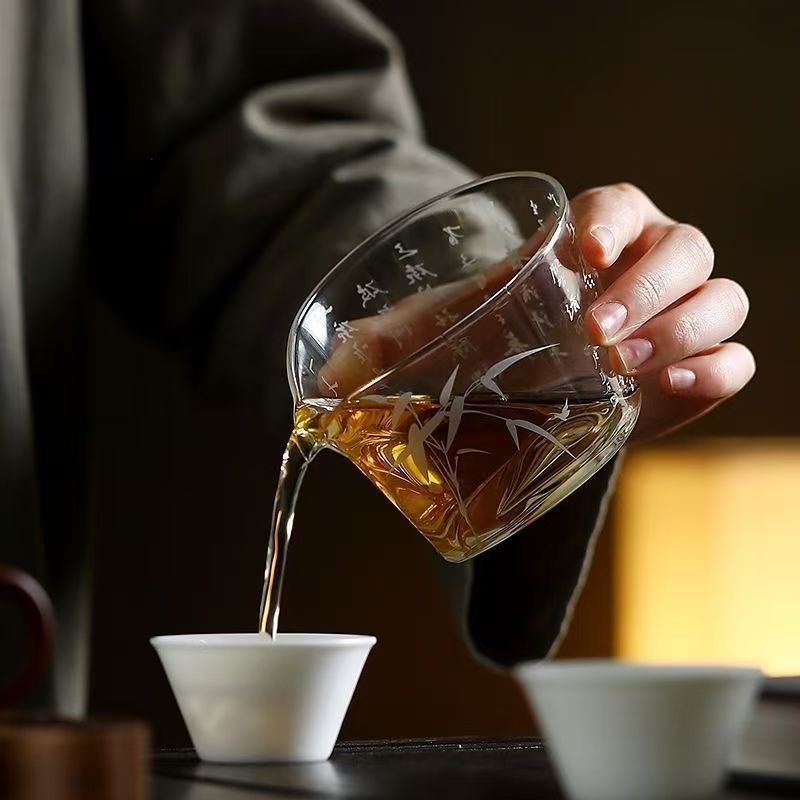
To brew Dianhong, you’ll need basic teaware that lets its flavor shine:
Essential Teaware for Dianhong
- Loose-leaf Dianhong (1–2 teaspoons per cup)
- A teapot or mug (porcelain, glass, or clay works well—avoid metal, which can affect flavor)
- A kettle with temperature control (or a way to measure water temperature)
- A tea strainer (if using a mug without a built-in infuser)
- Fresh, filtered water
The Best Water Temperature & Steeping Time
Dianhong is more forgiving than green tea, but water temperature still matters to avoid bitterness.
Ideal Water Temperature for Dianhong
Use water heated to 195–205°F (90–96°C). Boiling water (212°F/100°C) can sometimes make Dianhong taste slightly bitter, so letting the water cool for 30 seconds after boiling is ideal.
Steeping Time for First & Re-Steeps
For the first steep, steep for 2–3 minutes. Unlike some black teas, Dianhong can be re-steeped 2–3 times—each subsequent steep can be 30 seconds to 1 minute longer (e.g., 3–4 minutes for the second steep). This is because the whole leaves and buds release flavor slowly, so re-steeping lets you enjoy new layers of taste.
Step-by-Step Brewing Method
Follow these simple steps for a perfect cup:
Step 1: Warm Your Teaware
Rinse your teapot or mug with hot water to warm it up—this helps maintain the water temperature during brewing.
Step 2: Measure & Add the Tea
Place 1–2 teaspoons of loose-leaf Dianhong into the teapot or infuser. If using a teapot, use 1 teaspoon per 8 ounces of water.
Step 3: Pour in the Water
Slowly pour the heated water over the tea leaves, making sure all leaves are fully submerged.
Step 4: Steep & Strain
Let the tea steep for the recommended time, then strain it into a cup (or remove the infuser). Avoid leaving the leaves in the water after steeping, as this can lead to over-extraction and bitterness.
Step 5: Enjoy & Re-Steep
Sip your Dianhong plain to savor its natural sweetness, or add a small amount of honey if you prefer. Once you’ve finished the first cup, repeat the process with the same leaves for a second or third brew.
Tips for Serving Dianhong
How you serve Dianhong can enhance its flavor—here are key tips:
Plain vs. With Add-Ins
High-grade Dianhong (like Golden Tip) is best enjoyed plain, as milk or sugar can mask its delicate flavors. Standard Dianhong, however, pairs well with a splash of milk (dairy or oat) or a spoonful of honey—try it as a cozy afternoon treat.
Food Pairings for Dianhong
Dianhong’s sweetness makes it a great match for desserts like shortbread, macarons, or fresh fruit. It also pairs well with savory snacks like nuts or cheese, as its smoothness balances saltiness.
4. Health Benefits of Drinking Yunnan Dianhong Black Tea
Like other premium black teas, Dianhong offers a range of health benefits, thanks to its rich content of antioxidants and other beneficial compounds. Here’s how it can support your wellness.
Rich in Antioxidants for Cell Protection
Dianhong is packed with theaflavins and thearubigins—powerful antioxidants that are unique to black teas.
How Antioxidants Support Health
These compounds help fight free radicals in the body (unstable molecules that can damage cells and contribute to aging and disease). Studies have shown that regular black tea consumption may increase antioxidant levels in the blood, supporting long-term cell health. For example, a 2018 study published in the Journal of Food Science found that black teas like Dianhong can help reduce oxidative stress, which is linked to chronic conditions like heart disease.
Supports Heart Health
Drinking Dianhong may also benefit your heart in multiple ways.
Key Compounds for Cardiovascular Wellness
The theaflavins in Dianhong can help lower LDL (“bad”) cholesterol levels and improve blood vessel function, reducing the risk of heart disease. Additionally, Dianhong contains small amounts of potassium and magnesium—minerals that help regulate blood pressure. While no single food can prevent heart issues, incorporating Dianhong into a balanced diet may be a simple way to support cardiovascular wellness.
Boosts Focus Without Jitters
Dianhong contains caffeine, but it also has a secret ingredient that sets it apart from coffee: L-theanine.
The L-Theanine & Caffeine Combination
This amino acid works with caffeine to promote calm alertness. Unlike coffee, which can cause jitters or energy crashes, Dianhong’s caffeine is released slowly, providing a steady boost of focus without anxiety. This makes it a great choice for work or study sessions, as it helps you stay productive while feeling relaxed. The L-theanine in Dianhong may also improve mood by increasing levels of serotonin (the “happy hormone”) in the brain.
Aids Digestion & Hydration
Beyond focus and heart health, Dianhong supports everyday wellness too.
How Dianhong Soothes the Digestive System
Its warm temperature and mild compounds help soothe the stomach, reducing bloating and discomfort after meals. For best results, drink a cup of Dianhong 30 minutes after a heavy meal to aid digestion.
Hydration Benefits of Dianhong
Additionally, Dianhong is a great way to stay hydrated—while it contains caffeine (which has a mild diuretic effect), the water content in tea still contributes to your daily fluid intake.
5. Why Loose-Leaf Dianhong Is Better Than Tea Bags
If you’ve only tried Dianhong in tea bags, you’re missing out on its full flavor and benefits. Loose-leaf Dianhong is far superior for several key reasons.
Loose-Leaf Dianhong Has Better Flavor & Aroma
Tea bags often cut corners on quality, which affects taste.
The Problem with Tea Bag Fannings
Tea bags often contain Dianhong fannings (small, broken pieces) or even lower-quality leaves. These broken pieces have a larger surface area, which means they release flavor quickly—but they also lose their delicate notes (like honey or fruit) faster.
How Loose-Leaf Retains Flavor
Loose-leaf Dianhong, on the other hand, uses whole or large leaf pieces and buds. These retain their natural oils and flavor compounds, resulting in a more complex, vibrant cup. When you brew loose-leaf Dianhong, you’ll notice a richer aroma and a more balanced taste, with none of the bitterness that can come from tea bags.
Loose-Leaf Dianhong Is Fresher & Higher Quality
Freshness is non-negotiable for great Dianhong—and loose-leaf delivers.
Batch Sizing for Freshness
Most loose-leaf Dianhong is sold in small batches, directly from tea gardens or reputable sellers. This means it’s often fresher than tea bags, which can sit on store shelves for months (or even years) before being sold. Freshness is key for Dianhong—old tea loses its sweetness and develops a stale taste.
Access to High-Grade Varieties
Additionally, loose-leaf Dianhong is more likely to be high-grade (like Golden Tip), as tea bags rarely include the valuable silver-tipped buds that make Dianhong special.
Loose-Leaf Dianhong Is More Eco-Friendly
Choosing loose-leaf isn’t just good for taste—it’s good for the planet.
The Environmental Cost of Tea Bags
Tea bags are often lined with plastic (which can leach chemicals into hot water) and are difficult to recycle. This creates unnecessary waste that harms the environment.
Sustainable Benefits of Loose-Leaf
Loose-leaf Dianhong, however, can be brewed in reusable teapots or infusers, reducing waste. Many loose-leaf teas also come in compostable packaging (like paper or cotton bags), which is better for the environment. By choosing loose-leaf Dianhong, you’re not only getting a better cup of tea—you’re also reducing your environmental footprint.
Final Thoughts: Start Your Dianhong Journey Today
Yunnan Dianhong black tea is more than just a beverage—it’s a taste of Yunnan’s mountainous landscapes and rich tea tradition. Its honey-sweet flavor, smooth texture, and health benefits make it a perfect addition to any tea routine, whether you drink it in the morning to start your day or in the afternoon to unwind.
Ready to experience the best of Dianhong? Browse our collection of loose-leaf Yunnan Dianhong—from premium Golden Tip to everyday broken black tea, each batch is sourced directly from trusted tea gardens in Yunnan to ensure freshness and quality. Whether you’re a seasoned tea drinker or new to black teas, Dianhong is sure to become a favorite.
Have you tried Yunnan Dianhong before? Share your favorite way to brew it or pair it with food in the comments below—we’d love to hear your tips!